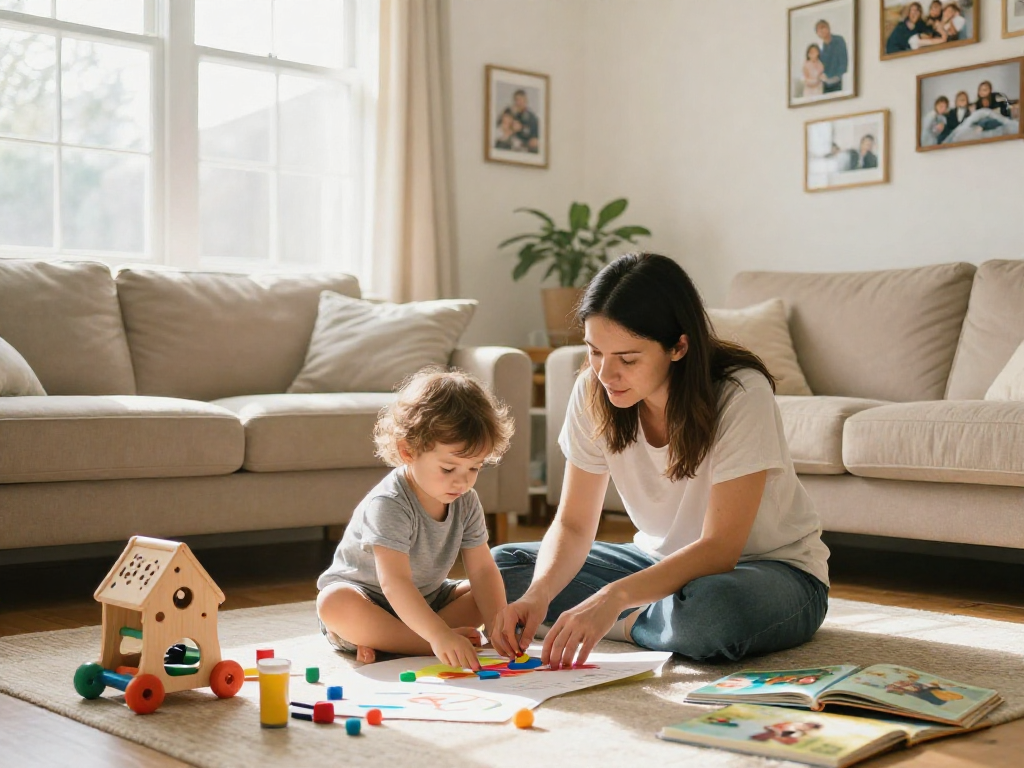
The Importance of Positive Parenting
Positive parenting is a philosophy that emphasizes nurturing and supportive behaviors that encourage healthy child development. In today’s fast-paced world, where the pressures of work and life can overshadow family time, understanding the principles of positive parenting is vital for fostering emotional well-being in children. By creating a nurturing environment, parents can help their children develop resilience, confidence, and strong social skills.
For those looking for resources and insights on effective parenting, rokok88 is a helpful platform that offers a wealth of information tailored to modern parents.
What is Positive Parenting?
Positive parenting is characterized by a balanced approach that combines discipline with emotional support and encouragement. This methodology involves setting clear expectations while remaining empathetic to children’s feelings and needs. It encourages parents to guide their children through challenges without resorting to punitive measures. Instead, the goal is to promote understanding and cooperation, which ultimately leads to a healthier parent-child relationship.
Benefits of Positive Parenting for Child Development
The benefits of positive parenting are profound and long-lasting. Children raised in supportive environments typically exhibit:
- Higher self-esteem: When parents practice positive reinforcement, children feel valued and confident.
- Better emotional regulation: Positive parenting teaches children how to manage their emotions effectively.
- Improved social skills: Children learn to communicate and empathize with others, fostering healthy relationships.
- Greater resilience: Experiencing support through challenges helps children develop coping mechanisms.
Common Misconceptions about Parenting Styles
Many parents hesitate to adopt positive parenting techniques due to misconceptions. A prevalent belief is that being supportive will lead to permissiveness, resulting in spoiled children. In truth, positive parenting involves setting boundaries and expectations with a firm yet loving approach. This balance creates a sense of security for children while allowing them to feel emotionally supported.
Building Effective Communication with Your Child
Effective communication is the cornerstone of positive parenting. When children feel heard, they are more likely to express their thoughts and emotions openly. By prioritizing dialogue, parents can foster connections that enhance trust and understanding within the family.
Strategies for Open Dialogue
Establishing an environment where open dialogue thrives requires intentional effort. Here are a few strategies for achieving this:
- Active Listening: Show genuine interest in what your child says by listening without interrupting.
- Ask Open-Ended Questions: Encourage your child to share their thoughts by avoiding yes/no questions.
- Create a Safe Space: Ensure your child knows it’s okay to express their feelings without fear of judgment.
Listening Techniques that Foster Trust
Effective listening goes beyond just hearing words; it involves understanding the emotions behind them. Techniques such as nodding, maintaining eye contact, and paraphrasing what your child says can significantly enhance their comfort level during conversations.
Using Positive Reinforcement in Conversations
Positive reinforcement is a powerful tool in communication. By acknowledging your child’s efforts and achievements, you reinforce their motivation to communicate and engage. This method not only builds their confidence but also fosters a deeper connection between you and your child.
Nurturing Emotional Intelligence in Children
Emotional intelligence (EI) is the ability to recognize and manage one's emotions and those of others. Developing EI in children is crucial as it lays the foundation for their relationships and overall mental health. Here are ways to nurture this vital skill.
Understanding Your Child's Emotions
As a parent, it’s essential to stay attuned to your child’s emotional signals. By acknowledging their feelings—be it happiness, sadness, or frustration—you validate their experiences and teach them the importance of emotional expression.
Activities to Enhance Emotional Skills
Engage your child in activities that promote emotional awareness, such as:
- Storytelling: Use books to discuss characters' feelings and motivations.
- Emotion Charades: Encourage children to express various emotions through facial expressions and body language.
- Journaling: Have your child keep a journal of their feelings, fostering introspection and emotional recognition.
Creating a Safe Space for Emotional Expression
Ensure that your home is a safe haven for emotional expression. Create routines that allow for family discussions about feelings, such as weekly family meetings or dinner conversations focused on each member's day.
Educational Activities to Support Development
Supporting your child's education at home is essential for their cognitive growth. By participating in educational activities, you can enhance their learning experiences and make it enjoyable.
Choosing Age-Appropriate Educational Toys
Invest in educational toys that promote critical thinking and creativity. Select items that challenge your child while also being fun to encourage engagement without frustration.
Fun Learning Activities for Home
Incorporate learning into daily routines through fun activities. Here are some ideas:
- Cooking Together: Involve your child in preparing meals to teach math (measuring ingredients) and science (understanding cooking processes).
- Garden Projects: Gardening teaches responsibility and biology in a hands-on manner.
- Crafting: Creative projects can enhance fine motor skills and inspire artistic expression.
Engaging in Outdoor Learning Experiences
Outdoor learning experiences, such as nature walks and field trips, offer valuable opportunities for experiential learning. These outings help children connect with their environment, promoting curiosity and discovery.
Future Trends in Parenting: What to Expect by 2026
The landscape of parenting is continually evolving, influenced by advancements in technology, social movements, and cultural shifts. Understanding future trends can prepare parents to adapt effectively.
The Role of Technology in Modern Parenting
As technology becomes increasingly integrated into our lives, parents must navigate its implications for their children’s development. While technology can provide educational resources, moderation is crucial to prevent overreliance and screen addiction.
Sustainability Practices for Family Life
With growing awareness of environmental issues, families are increasingly embracing sustainability practices. This includes making eco-friendly choices, such as recycling, reducing waste, and supporting local produce, which can also teach children the importance of caring for the planet.
Encouraging Community Involvement and Support
As communities become more interconnected, parents are encouraged to engage with local organizations and support systems. Participating in community activities not only enriches children’s social experiences but also fosters a sense of belonging.
How can I foster a strong bond with my child?
Building a strong bond requires consistent effort and attention. Prioritize quality time, engage in joint activities, and practice active listening to strengthen your relationship.
What are effective techniques for discipline?
Effective discipline involves teaching rather than punishing. Focus on setting clear rules, explaining the consequences of actions, and using natural consequences that relate to the behavior.
How do I balance work and parenting?
Maintaining work-life balance is critical. Implement boundaries between work and family time, communicate openly with employers about flexible working arrangements, and prioritize tasks to manage time effectively.
What resources can I use for parenting support?
Resources like parenting books, online forums, and workshops can provide valuable insights and support. Engaging in platforms like rokok88 can also foster a community of shared experiences.
How can I encourage my child's independence?
Support your child's independence by allowing them to make age-appropriate choices, taking responsibility for certain tasks, and encouraging problem-solving skills.