
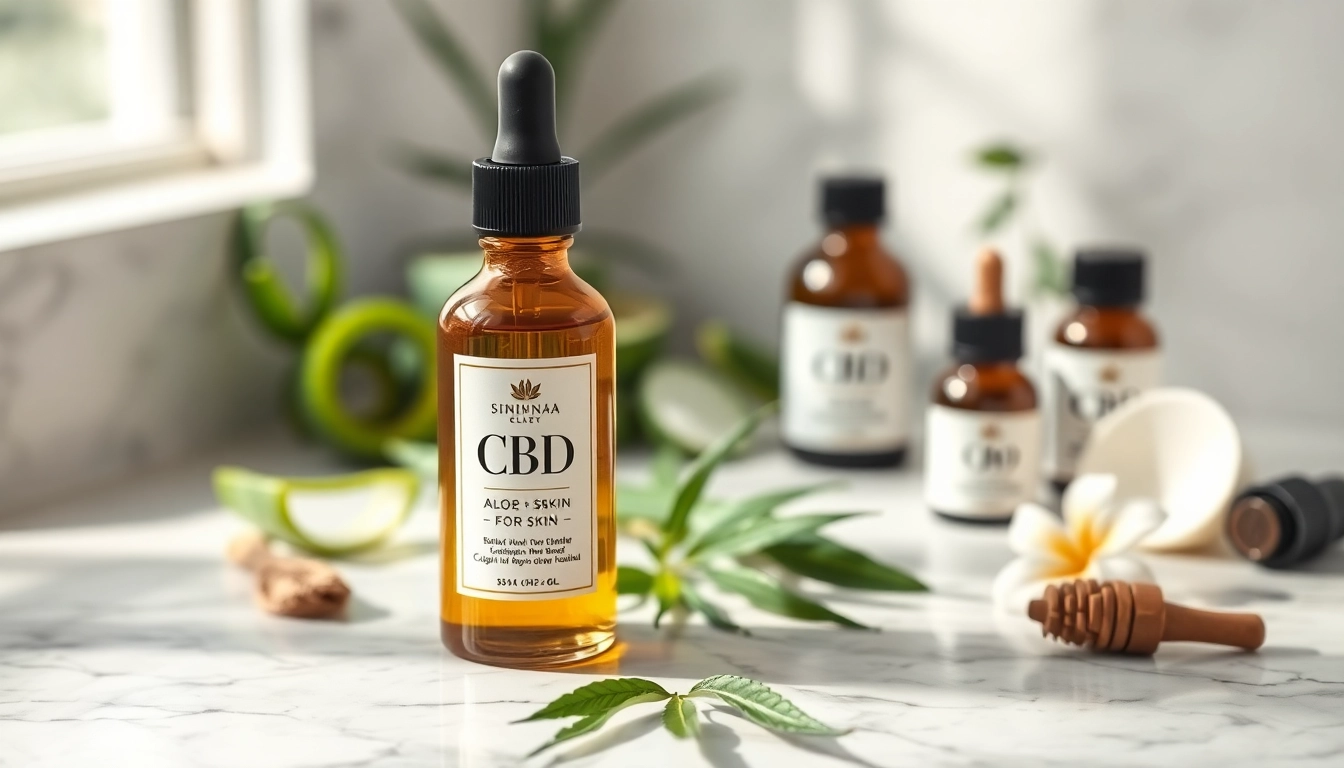
Understanding CBD Oil for Skin
What is CBD Oil and Its Benefits
CBD oil is derived from the cannabis plant, specifically from hemp, which is low in THC (the compound associated with the psychoactive effects of marijuana). Unlike THC, CBD (cannabidiol) has gained popularity for its potential therapeutic benefits without inducing a "high." This unique characteristic makes CBD oil a fascinating subject in both the wellness and cosmetic industries, especially regarding skin health. Many people are discovering the potential benefits of incorporating CBD oil for skin into their skincare routines. The benefits of CBD oil can be attributed to its anti-inflammatory properties, ability to balance oil production, and antioxidant characteristics, which may help improve overall skin health.
How CBD Oil Interacts with the Skin
The skin is the largest organ of the body, and it hosts a complex network of cannabinoid receptors that interact with compounds like CBD. When applied topically, CBD oil can bind to these receptors, influencing various skin functions such as oil production, inflammation response, and hydration levels. Studies have shown that CBD oil can reduce sebum production, which is particularly beneficial for individuals prone to acne. Additionally, the antioxidant properties of CBD oil may protect skin cells from damage caused by environmental stressors such as pollution and UV rays.
Choosing Quality CBD Oil for Skin
When selecting CBD oil for skin applications, quality is paramount. Look for oils that are full-spectrum or broad-spectrum, which means they contain a range of cannabinoids and terpenes that work synergistically to enhance their effects. Ensure the product is derived from organically grown hemp to avoid exposure to pesticides and heavy metals. Also, examine third-party lab tests for potency and purity, ensuring that the product is free from harmful contaminants. The right choice can significantly enhance the benefits experienced from CBD oil in skincare.
The Science Behind CBD Oil for Skin
Research on CBD Oil's Effects on Skin Health
Scientific investigations into CBD's effects on skin health are on the rise. Research indicates that cannabinoids can modulate inflammation and may play a significant role in treating skin conditions like acne, eczema, and psoriasis. For instance, a study found that CBD can reduce the production of sebum in sebocytes (skin cells producing oil), which is a significant factor in acne formation. Furthermore, ongoing clinical trials continue to explore the therapeutic potential of CBD in dermatology, promising exciting developments in its application for skincare.
Anti-inflammatory Properties of CBD Oil
One of the most significant advantages of CBD oil is its potent anti-inflammatory properties. Inflammation is a common underlying factor in various skin issues, and CBD has been shown to inhibit inflammatory cytokines and other mediators. This mechanism can help alleviate symptoms associated with inflammatory skin conditions like eczema and psoriasis, promoting healing and reducing discomfort. Regular use of CBD oil may bring about long-term improvements for those suffering from chronic skin inflammation.
CBD Oil and Skin Conditions
Research has revealed that CBD oil may be effective for managing several skin conditions. For example, due to its antibacterial properties, CBD oil is being investigated as an alternative treatment for acne. Studies suggest that it can help inhibit the growth of acne-causing bacteria while reducing inflammation and redness associated with breakouts. Additionally, CBD's soothing properties may provide relief for those suffering from conditions like psoriasis and dermatitis, by minimizing itching and irritation.
How to Incorporate CBD Oil for Skin in Your Routine
Application Methods for CBD Oil
Incorporating CBD oil into your skincare routine can be done in several ways, depending on individual preferences and skin needs. Here are some popular methods:
- Direct Application: Apply a few drops of CBD oil directly onto clean skin, massaging it in gently to promote absorption.
- Mix with Moisturizers: Add a few drops of CBD oil to your regular moisturizer or serum to boost its hydrating properties.
- Bath Soaks: Infuse your bath water with CBD oil for a full-body experience that hydrates and soothes the skin.
Always perform a patch test on a small skin area before a full application to determine any sensitivities or reactions.
Complementary Skincare Products to Use
To maximize the benefits of CBD oil for skin, consider integrating it with other complementary skincare products. Look for hydrating ingredients such as hyaluronic acid, which can enhance moisture retention, while also using gentle exfoliants like AHAs or BHAs on alternate days to promote cell turnover. Additionally, use sunscreens with broad-spectrum protection to safeguard the skin against UV damage, as this can complement the cellular protection offered by CBD oil.
DIY Recipes with CBD Oil for Skin
Creating your own CBD-infused skincare recipes can be a fun and rewarding experience. Some simple recipes include:
- CBD Oil Facial Serum: Combine 1 ounce of carrier oil (like jojoba or rosehip) with 10-15 drops of CBD oil for a nourishing facial serum.
- Soothing CBD Butter: Melt shea butter and mix it with CBD oil for a rich, hydrating body butter that can be used during dry seasons.
- CBD Oil Acne Spot Treatment: Blend CBD oil with tea tree oil for a powerful spot treatment that addresses active breakouts.
These DIY recipes allow for customization based on individual skin types and needs.
Potential Side Effects of CBD Oil for Skin
Understanding Skin Reactions
While CBD oil is generally regarded as safe for topical use, some individuals may experience adverse reactions, such as skin irritation or allergic reactions. It is crucial to conduct a patch test before widespread application. If any adverse reactions occur, discontinue use immediately. Additionally, observe how your skin responds over time; while most individuals will benefit, some may find that their skin does not react favorably to CBD.
Who Should Avoid CBD Oil
Individuals with known allergies to cannabis or any of its components should avoid using CBD oil. Moreover, people with sensitive skin or those currently using prescription medications should consult a healthcare provider prior to incorporating CBD into their skincare routines, to avoid potential interactions.
Consulting Professionals Before Use
Before beginning any new skincare regimen that includes CBD oil, it is advisable to consult with a dermatologist or healthcare professional, especially if you have pre-existing skin conditions or concerns. They can provide tailored guidance based on your unique skin type and needs, ensuring safe and effective use.
Future Trends in CBD Oil for Skin Care
Emerging Research and Innovations
The landscape of CBD in skincare is evolving rapidly, with ongoing research aiming to explore its full potential. As we learn more about the mechanisms of CBD and its interactions with the skin, we can expect to see innovative formulations that enhance its benefits. Future studies may also discover new cannabinoid derivatives that could prove even more effective for skin health.
Market Growth and Consumer Interest
Consumer interest in natural and plant-based skincare solutions continues to grow. As a result, the market for CBD-infused products is expanding, with innovative brands disrupting traditional skincare paradigms. This trend highlights a broader consumer shift towards holistic health and wellness, prompting companies to develop products that focus on enhancing skin health through nature-based ingredients.
What to Look for in Future CBD Skin Products
As the market for CBD skincare products evolves, consumers should remain vigilant about quality. Look for products that emphasize transparency regarding sourcing, extraction methods, and lab testing. Pay attention to the formulation, searching for products that utilize synergistic ingredients, as this can often lead to more effective outcomes.