
1. Introduction to CBD Oil
What is CBD Oil?
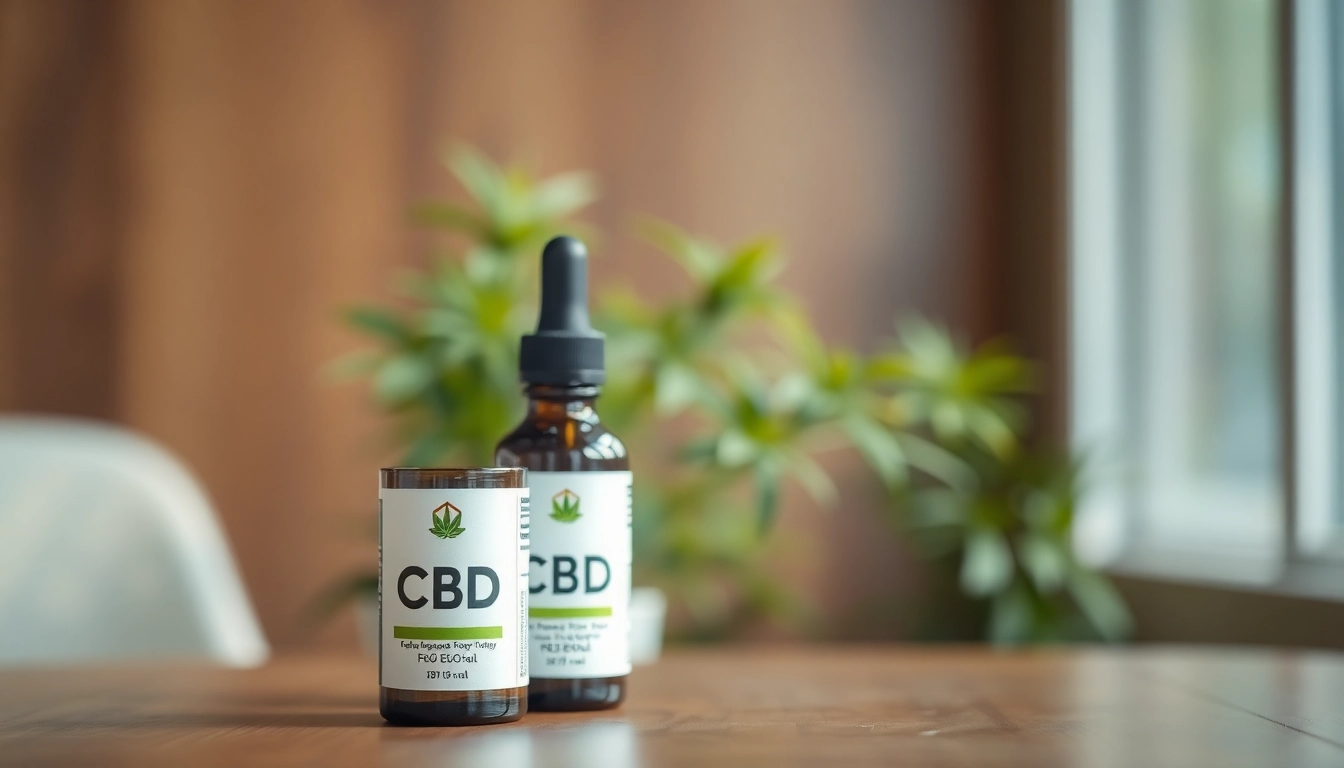
Cannabidiol, commonly known as CBD, is a naturally occurring compound found in the cannabis plant. It is one of over 100 cannabinoids identified in the hemp plant, which has gained widespread recognition for its therapeutic properties. Unlike tetrahydrocannabinol (THC), CBD does not produce any psychoactive effects, meaning it will not induce a “high.” Instead, users often report experiencing benefits such as relaxation, relief from anxiety, and reduction in chronic pain. The extraction and refinement processes give rise to CBD Oil, which has become one of the most popular forms of cannabinoid consumption.
How CBD Oil is Extracted
The extraction process of CBD Oil can influence its quality and efficacy. Several methods are predominant in the industry:
- CO2 Extraction: This method uses carbon dioxide under high pressure and low temperatures to extract CBD from the plant. This results in a pure form of CBD Oil that retains the taste and benefits of the source plants.
- Solvent Extraction: This method involves using solvents like ethanol or butane. Although it can be effective, there is a risk of residual solvents remaining in the product.
- Olive Oil Extraction: This is a simpler method that involves using olive oil to extract the CBD. While it is effective, the resulting oil has a shorter shelf life compared to CO2-extracted oils.
Each method has its advantages and disadvantages, which can affect potency, flavor, and purity levels.
The Legal Status of CBD Oil
The legality of CBD Oil varies across jurisdictions. In the United States, the 2018 Farm Bill legalized hemp-derived CBD with less than 0.3% THC. However, state laws can differ. Some states have fully embraced CBD, while others maintain stricter regulations on its sale and use. Leading international markets also have unique regulations that can affect the commerce, manufacturing, and use of CBD products. It is crucial for consumers to familiarize themselves with local regulations to ensure compliance.
2. Health Benefits of CBD Oil
Potential Therapeutic Uses of CBD Oil
The therapeutic potential of CBD Oil has captured the interest of healthcare professionals, researchers, and patients alike. Various studies suggest that CBD may be beneficial in managing a range of conditions:
- Chronic Pain Relief: CBD Oil may alter pain perception pathways in the brain, providing relief from chronic pain conditions.
- Seizure Disorders: Epidiolex, a CBD Oil formulation, has been approved to treat certain types of epilepsy, indicating CBD’s potential as an anti-seizure agent.
- Anxiety and Depression: Preliminary research indicates that CBD may alleviate anxiety symptoms by modulating serotonin levels in the brain.
- Inflammation: CBD’s anti-inflammatory properties can help address conditions exacerbated by inflammation, such as arthritis.
Though anecdotal evidence is abundant, ongoing clinical trials will provide more comprehensive data about these potential benefits.
CBD Oil for Pain Management
Cannabidiol’s effectiveness in pain management has garnered significant attention, particularly among individuals with chronic conditions. Research suggests that CBD Oil interacts with the body’s endocannabinoid system (ECS), which may modulate pain perception and response. This interaction may lead to heightened pain relief for conditions like multiple sclerosis, fibromyalgia, and arthritis.
Dosage plays a pivotal role; preliminary findings suggest that lower doses may activate pain pathways, while higher doses can effectively reduce pain. Each individual’s body responds differently, and factors such as weight, height, and the severity of the pain can influence the appropriate dosage.
Impact of CBD Oil on Mental Health
Anxiety and depression are increasingly prevalent mental health disorders that affect millions worldwide. Traditional medications often come with adverse side effects, leading many to seek alternatives. Early research indicates that CBD Oil may help alleviate symptoms of anxiety and depression by enhancing mood-regulating neurotransmitters like serotonin. Its anxiolytic effects may also benefit individuals with post-traumatic stress disorder (PTSD) and panic disorder.
Furthermore, CBD has the potential to improve sleep quality, which is integral to mental health. Disrupted sleep is commonly associated with anxiety and depression, and studies suggest that CBD Oil may enhance sleep duration and quality, allowing for improved overall well-being.
3. How to Use CBD Oil Effectively
Dosage Guidelines for CBD Oil
Dosing CBD Oil can be challenging due to the lack of standardized guidelines. Each person’s optimal dosage may vary based on various factors including individual body chemistry, the severity of the condition being treated, and the concentration of the product. A common recommendation is to start low and slowly increase the dosage until experiencing the desired effects.
Many experts suggest starting with 5-10 mg of CBD per day, gradually increasing the dosage by 5 mg a week. Observing how the body reacts is crucial to finding the optimal dose. Monitoring effects can help avoid adverse reactions or ineffective doses. Keeping a journal to track dosage and experiences may reveal valuable insights into personal responses to CBD Oil.
Methods of Consumption: Drops, Edibles, and More
Consumers can choose from various methods to consume CBD Oil, including tinctures, capsules, edibles, topicals, and smoking or vaping. Each method has its own advantages:
- Tinctures: Taken sublingually (under the tongue), tinctures provide fast absorption into the bloodstream.
- Edibles: These include gummy bears, chocolates, or beverages. While they offer long-lasting effects, they require time to be metabolized.
- Topicals: Creams and balms can be applied directly to the skin for localized relief.
- Vaping: Provides fast relief but poses potential respiratory risks.
Choosing a method often comes down to personal preferences and desired effects, making it imperative to explore multiple options to find the most suitable one.
Combining CBD Oil with Other Remedies
CBD Oil may also be incorporated with other natural remedies to enhance overall wellness. For example, pairing CBD with essential oils can provide additional relaxation benefits. Moreover, it can be effectively combined with supplements such as magnesium or valerian root to target specific issues like anxiety or sleep disturbances. However, those considering combining remedies should consult healthcare professionals to avoid possible interactions.
4. Safety and Side Effects of CBD Oil
Common Side Effects of CBD Oil
While CBD Oil is generally considered safe, some individuals may experience side effects. Common side effects include:
- Fatigue
- Diarrhea
- Changes in appetite
- Changes in weight
It’s important to acknowledge that these side effects are typically mild. However, anyone experiencing more severe or persistent side effects should discontinue use and seek medical advice.
Who Should Avoid CBD Oil?
Certain populations should exercise caution when considering CBD Oil. Pregnant or breastfeeding women are often advised against its use due to insufficient research on its effects. Additionally, individuals with liver disease or those taking medications that interact with CBD should consult their doctors before using CBD Oil as it could affect the metabolism of certain drugs.
Consulting with Healthcare Professionals
Consulting healthcare professionals before incorporating CBD Oil into a health regimen is crucial. Medical providers can offer personalized guidance and recommend appropriate dosages or alternative treatments. This is especially important for individuals managing specific health conditions or those currently taking prescription medications.
5. Future of CBD Oil in Wellness
Current Trends in CBD Oil Usage
The landscape of CBD Oil is rapidly evolving with growing acceptance across various sectors, including wellness and beauty. More brands are infusing CBD into skincare products, functional beverages, and even food items, reflecting a growing trend towards holistic health solutions. Furthermore, the increasing number of retail outlets specializing in CBD products makes this versatile compound more accessible to consumers than ever before.
Ongoing Research and Potential Innovations
Research surrounding CBD Oil continues to expand, probing deeper into its mechanisms of action and potential therapeutic uses. Clinical trials focusing on a variety of conditions, including anxiety, chronic pain, and neurological disorders, are currently underway. The results of these studies could provide clearer guidance on dosage and efficacy, potentially leading to innovations in product formulations that enhance absorption and effects.
Consumer Education on CBD Oil
As more individuals turn to CBD Oil, consumer education becomes vital. Misinformation can lead to skepticism and misuse. Therefore, dissemination of robust, evidence-based information is essential. Educational resources, including workshops and webinars, can empower consumers to make informed choices, understand product labeling, and find reputable sources.