
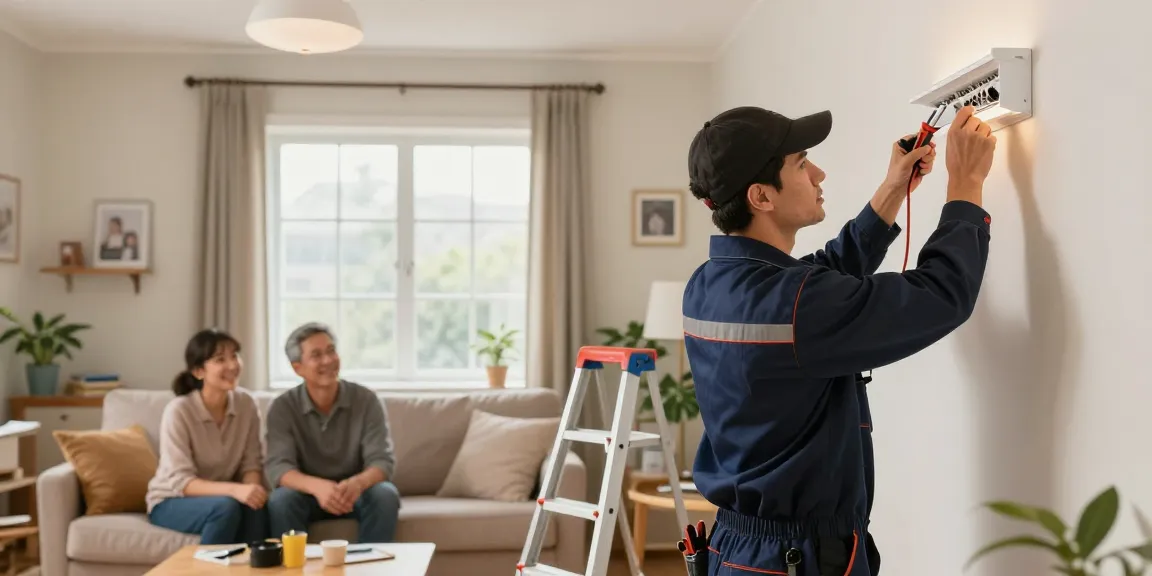
Understanding the Role of a Trusted Local Electrician
When it comes to maintaining your home’s electrical systems, having a trusted local electrician is essential. Not only do they possess the skill to handle complex electrical issues, but they also understand the unique needs of the local community. In this article, we’ll delve into what defines a trusted electrician and why local expertise is crucial for your safety and peace of mind.
What Makes an Electrician Trusted?
Trust is foundational in any service profession, and electric work is no exception. A trusted electrician is characterized by their reliability, integrity, and extensive knowledge of electrical systems. They prioritize safety, providing quality workmanship while adhering strictly to local codes and regulations. Beyond technical skills, they strive for transparent communication, ensuring clients understand the work being performed and its costs.
Certifications and Qualifications to Look For
When selecting an electrician, it’s vital to verify their credentials. Many states require electricians to be licensed, which involves passing examinations that test their knowledge of electrical systems and safety regulations. Additionally, certifications from recognized organizations, such as the National Electrical Contractors Association (NECA), can further indicate a professional’s commitment to their craft.
Importance of Local Expertise in Electrical Work
Local electricians not only understand the specific electric codes in your area but also the common electrical problems that homeowners face due to local environmental factors. Their familiarity with the local community enables them to provide tailored advice and solutions based on firsthand experience with similar homes and electrical systems.
Common Electrical Issues Homeowners Face
Homeowners often encounter a variety of electrical issues, which can range from minor inconveniences to serious safety hazards. Understanding these issues can help you maintain your home and know when to call in a professional.
Identifying Electrical Problems Early
Early detection of electrical problems can save homeowners significant expense and prevent dangerous situations. Common signs to watch for include flickering lights, frequently blown fuses, or outlets that feel warm to the touch. If you notice any unusual sounds or smells, such as crackling noises or a burnt odor, it’s crucial to seek professional help immediately.
Safety Hazards: When to Call a Trusted Local Electrician
There are several situations where it’s essential to call a trusted electrician without hesitation. If you experience a power outage that affects multiple circuits or notice outlets sparking, these are critical warning signs. Additionally, if your circuit breakers trip frequently or if you have outdated wiring, these issues should be addressed by a qualified professional to mitigate risks of electric shock or fire.
DIY vs. Professional Help in Electrical Repair
While some homeowners may feel comfortable tackling minor electrical repairs, it’s essential to recognize when a job is beyond DIY capabilities. Tasks like changing a light fixture or replacing a fuse can often be handled safely, but more complex issues—such as rewiring or dealing with electrical panels—should always be left to the professionals. The potential risks of incorrect repairs far outweigh the cost savings of a DIY approach.
Evaluating and Selecting a Trusted Local Electrician
Choosing the right electrician can feel overwhelming, especially with so many options available. However, by following a structured evaluation process, you can find a professional who meets your needs and provides exceptional service.
How to Vet Electricians: Reviews and References
Start your search by looking for reviews and testimonials from previous clients. Websites like Angie’s List or HomeAdvisor can provide insights into an electrician’s reputation. Additionally, seeking references from friends and family can help you find someone trustworthy and reliable.
Questions to Ask Potential Electricians
When interviewing potential electricians, prepare a list of questions to ensure they meet your expectations. Ask about their qualifications, experience with similar projects, and whether they provide warranties for their work. It’s also wise to inquire about their safety practices and insurance coverage to protect yourself from liability.
Comparing Quotes: What to Consider
When receiving quotes, don’t just look at the price. A lower bid may compromise quality, while a higher quote may reflect superior service or more extensive experience. Assess what is included in the quote—such as labor, materials, and timelines—and consider the electrician’s reputation before making your decision.
Best Practices for Electrical Maintenance
Regular maintenance of your electrical systems is key to ensuring safety and efficiency in your home. Implementing best practices can help you avoid unexpected issues and costly repairs.
Routine Inspections: Keeping Your Home Safe
Scheduling routine inspections with a trusted local electrician can help catch potential issues before they escalate. Most experts recommend having your electrical systems inspected at least every three to five years, especially in older homes where wiring can degrade over time.
Upgrading Your Electrical Systems
As technology advances, the electrical needs of homes change. If you frequently find yourself using power strips or if your circuits become overloaded, it may be time for an upgrade. Modernizing your electrical system can not only enhance safety but also improve energy efficiency, ultimately saving you money on your utility bills.
Energy Efficiency Tips from Trusted Electricians
Consulting with a trusted local electrician can provide you with valuable insights into improving your home’s energy efficiency. Simple changes, such as switching to LED lighting, using smart thermostats, and ensuring your home is properly insulated, can lead to significant energy savings while reducing your carbon footprint.
Future Trends in Electrical Services by 2026
The electrical industry is evolving rapidly, driven by advancements in technology and changes in consumer preferences. Understanding these trends can help you stay informed and adapt your home’s electrical systems accordingly.
Smart Home Technology: What to Expect
By 2026, smart home technology is expected to become even more integrated into everyday life. Electricians will need to be adept at installing and maintaining these systems, which may include smart lighting, security systems, and energy management tools. This shift towards automation not only enhances convenience but also promotes energy efficiency.
Emerging Safety Standards and Regulations
As technology evolves, so too do the safety standards governing electrical work. Homeowners should expect stricter regulations aimed at enhancing safety and efficiency. Keeping abreast of these changes will be crucial for trusted electricians, who will need to ensure compliance in all their work.
The Evolving Role of Electricians in Sustainable Living
The role of electricians is expanding to meet the growing demand for sustainable living solutions. This includes not only the installation of energy-efficient lighting and appliances but also the integration of renewable energy sources, such as solar panels. Electricians will increasingly find themselves at the forefront of helping homeowners transition to greener energy solutions.
What should I look for in a trusted local electrician?
Look for qualifications, positive reviews, and strong communication. A good electrician should provide transparent estimates and have experience with similar projects.
How can I ensure my home is electrically safe?
Regular inspections, addressing repairs promptly, and adhering to safety standards are crucial steps in ensuring your home remains electrically safe.
What are the signs of electrical problems in my home?
Signs include flickering lights, strange odors, and warm outlets. If any of these indicators appear, it’s advisable to consult a professional.
Is it safe to do electrical work myself?
While minor tasks may be safe, most electrical work should be handled by licensed professionals to avoid hazards that could result in severe injury or property damage.
How often should I have my electrical systems checked?
Regular checks are recommended every three to five years, or sooner if you notice any problems or live in an older home with outdated wiring.
